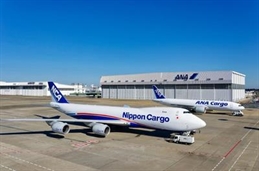
ANA HOLDINGS INC. (ANA) is moving ahead with the reorganization of its cargo business companies, integrating Nippon Cargo Airlines Co., Ltd. (NCA), NCA Japan Co., Ltd. (NCAJ) and ANA Cargo Inc. (ACX) into a single entity to enhance the ANA Group's air cargo capabilities.
The integration, which begins taking effect on April 1, 2026, aims to strengthen the competitiveness of the ANA Group's cargo business, streamlining global sales, and more tightly connect its passenger and freighter networks.
Nippon Cargo Airlines will remain the operating carrier under the plan, retaining its Air Transport Business License and Air Operator Certificate as the unified cargo arm of the ANA Group.
The company describes the move as a way to accelerate the integration of its cargo units and eliminate structural duplication that has existed since NCA joined the ANA Group in August 2025.
By combining ACX's experience as a combination carrier with the dedicated freighter expertise of NCA and NCAJ, ANA aims to create a more agile and responsive cargo business capable of adapting quickly to market shifts. The group says the new structure will allow it to offer end‑to‑end logistics solutions, integrating sales, flight operations, and cargo handling under one umbrella.
"By further enhancing the synergy between its passenger flight network and freighter operations, the group will provide end-to-end solutions—integrating everything from sales to flight operations and cargo handling," ANA said, adding that this will allow the group to be more responsive to customer needs and the rapidly changing market, ultimately delivering even greater convenience and value to its customers.
A central feature of the restructuring is the creation of a joint sales platform that will give freight forwarders access to both ANA and NCA capacity through a single point of contact in each market.
ANA expects this unified sales approach to improve efficiency and deliver a more seamless customer experience, particularly in regions where the two carriers previously operated separate commercial organizations. While sales will be consolidated, ANA and NCA will continue to operate their flights independently. The company said the issuance of air waybills will vary by market depending on regulatory requirements and operational conditions.
The integration also includes significant changes to ground operations. Warehouse functions in Japan will be consolidated, beginning with facilities at Chubu Centrair International Airport and Kansai International Airport. Outside Japan, ANA will begin optimizing cargo handling processes, starting with arrival cargo operations at Chicago O’Hare International Airport.
Additional consolidation measures, both domestically and internationally, are under review as the group evaluates further opportunities to streamline its logistics footprint.
ANA has identified cargo as a core pillar of its long‑term growth strategy. The company's medium‑term plan calls for 30 billion yen in integration and synergy benefits, and the cargo reorganization is positioned as a key driver of that target.
By combining NCA’s long‑haul freighter network with ANA's international passenger services, the group aims to establish itself as Asia's leading combination carrier, offering greater flexibility and reliability to shippers.
As ANA moves into the next phase of its cargo transformation, the group said the unified structure will allow it to respond more effectively to customer needs while positioning the company for long‑term growth in a competitive global freight market.